
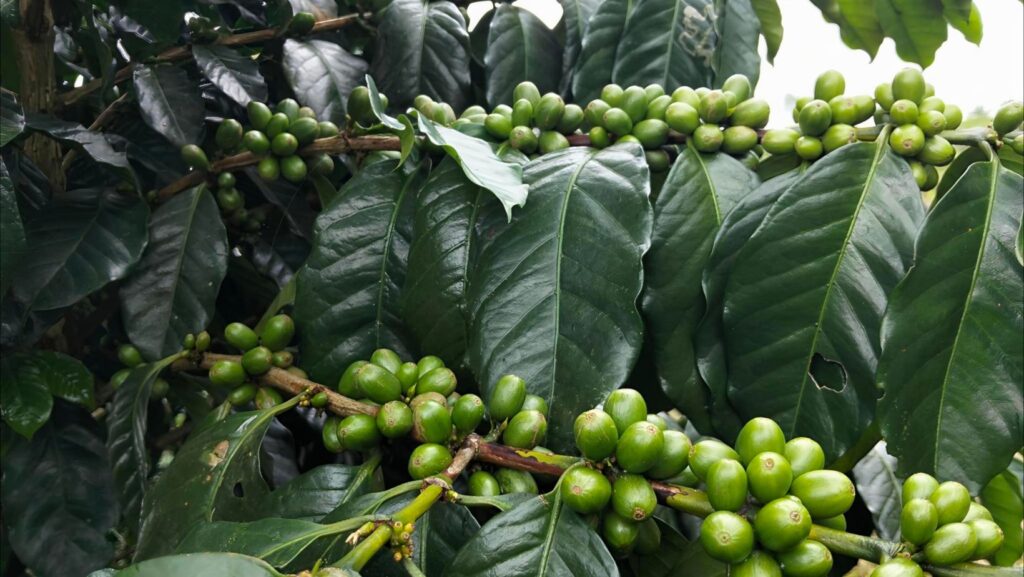
Selecting the right green coffee beans is one of the most critical decisions importers and roasters make. With dozens of origins and processing methods available, understanding the nuances of Ugandan green coffee bean varieties can be the difference between a successful roast and mediocre cup quality. Uganda, as Africa’s leading coffee exporter and the world’s eighth-largest producer, offers a remarkable diversity of premium beans that cater to different roasting profiles, market demands, and business goals.
Why Understanding Coffee Varieties Matters
For importers and roasters, sourcing decisions directly impact profitability, cup consistency, and customer satisfaction. Each coffee variety brings unique flavor characteristics, body profiles, and roasting requirements. By understanding Ugandan coffee beans, you can make informed purchasing decisions that align with your roasting capabilities and target market.
Overview of Ugandan Coffee Types: Robusta vs Arabica
Uganda’s coffee landscape is defined by two primary varieties: Robusta and Arabica. Robusta accounts for approximately 80% of Uganda’s production, while Arabica represents the remaining 20%—yet both are grown with exceptional quality at high altitudes.
Robusta is indigenous to Uganda and grows wild in the Lake Victoria basin and surrounding regions. What makes Ugandan Robusta exceptional is that it’s cultivated at unusually high altitudes (up to 1,500 meters), producing what’s known as “Fine Robusta”—a classification that’s less bitter and more flavorful than typical lowland robusta from other origins.
Arabica, grown in Uganda’s mountainous regions like Mount Elgon and the Rwenzori Mountains (the “Mountains of the Moon”), thrives at elevations between 1,500 and 2,300 meters. The volcanic soil and extreme altitudes create exceptional terroir, resulting in coffees with distinctive mineral notes and complex flavor profiles.
Arabica Coffee Characteristics: Premium Positioning
Ugandan Arabica represents the pinnacle of the country’s specialty coffee offerings. These beans are known for a balanced body with fruity, wine-like acidity—characteristics that distinguish them from other East African origins.
Flavor Profile: Expect bright citrus, berries, stone fruits, and a characteristic chocolate finish. The washed processing method (like the SL14 and SL28 varieties) delivers a clean, crisp cup with pronounced floral and fruity notes.
Dry Processed Arabica (Drugar): For importers seeking a different experience, naturally processed Arabica beans offer a heavier body with jammy, winey characteristics and lower acidity. These beans work exceptionally well for specialty blends and filter coffee applications.
Why Premium? Ugandan Arabica commands premium pricing due to limited production, high altitude cultivation, volcanic soil influence, and exceptional quality ranking. Uganda holds the Coffee Quality Institute’s 3rd-place global quality ranking—a testament to consistent excellence.
Robusta Coffee Strengths: The Commercial Backbone
While Arabica captures specialty attention, Robusta represents the workhorse of Uganda’s coffee exports. Ugandan Robusta coffee beans are fundamentally different from lower-quality robustas found in other origins.
Robusta Screen 12: Smaller beans with full body and chocolatey notes. Ideal for espresso blends where boldness and aggressive flavor are desired. Perfect for commercial coffee operations seeking reliability and strong crema.
Robusta Screen 15: The most popular commercial grade, offering medium-large beans with earthy, nutty, woody flavor and dark chocolate undertones. This grade strikes an excellent balance between quality and accessibility, making it a favorite among importers worldwide.
Robusta Screen 18: Premium large beans (>92% retained on sieve 18) with a rich chocolate aroma and minimal defects. These top-tier robustas command higher prices but deliver superior cup quality and consistency.
The key advantage? Ugandan Robusta’s high-altitude cultivation produces beans with lower caffeine bitterness and surprising sweetness—traits that elevate them far above commodity robustas.
How to Choose the Right Beans for Your Business

Green coffee bean selection Uganda depends on two primary factors:
1. Roasting Goals: Are you targeting espresso enthusiasts? Choose Robusta Screen 12 or 15, for bold body and crema. Prefer filter coffee and specialty applications? Ugandan Arabica (washed or natural) offers versatility and complexity.
2. Market Demand: Understanding your customer base is crucial. Specialty cafés and third-wave roasters gravitate toward Arabica’s clarity and complexity. Commercial operations and mainstream cafés prefer Robusta’s reliability and body.
Export Standards & Quality Checks
All Ugandan export coffee beans undergo rigorous quality control. Beans are sorted by screen size (which determines uniformity), assessed for defects, and graded according to international standards. Packaging in breathable jute or GrainPro bags ensures beans remain fresh during transit, with proper storage allowing 12-15 months of peak quality.
Conclusion: Uganda as Your Diverse Sourcing Hub
Whether you’re seeking high-altitude Robusta with surprising elegance or complex Arabica from volcanic terroirs, Uganda offers unmatched diversity. By understanding the characteristics of each variety, you position your business to make sourcing decisions that maximize profitability and customer satisfaction.
Ready to explore Uganda’s premium offerings? View our complete selection of Ugandan green coffee bean varieties and discover the perfect beans for your roasting operation.
Get a quote from Cents Coffee today to start sourcing premium Ugandan coffees.