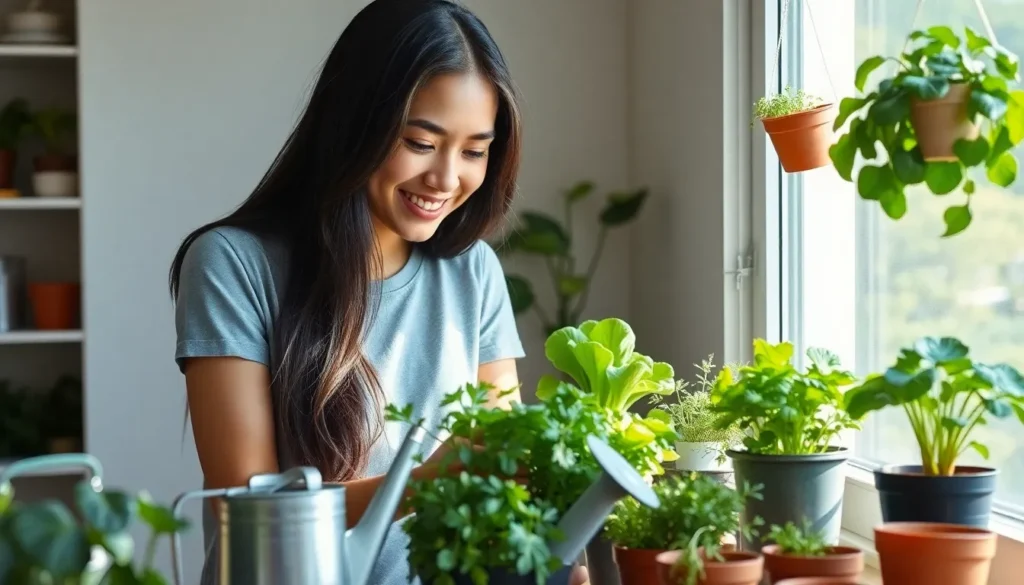
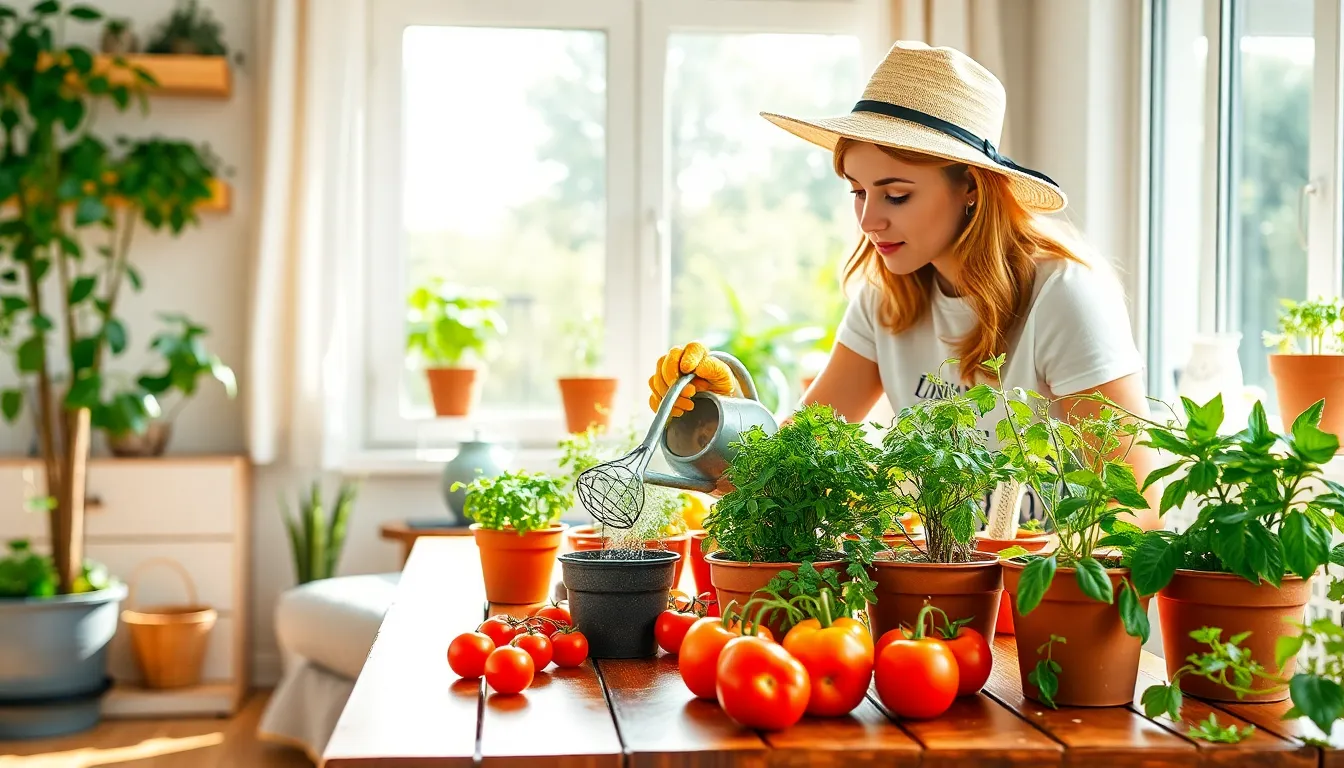
Imagine plucking fresh tomatoes or crisp lettuce straight from your kitchen. Indoor vegetable gardening makes that dream a reality, turning even the smallest apartment into a green oasis. With just a little sunlight and a dash of love, anyone can cultivate their own mini farm right on their windowsill.
Not only does it add a pop of color to your home, but it also offers a delicious way to eat healthier. Forget about those sad, wilted greens from the grocery store. Growing your own veggies means you’ll have the freshest produce at your fingertips. Plus, it’s a great conversation starter—who wouldn’t want to brag about their homegrown zucchini? Dive into the world of indoor gardening and discover how easy and rewarding it can be to grow your own food, even when space is tight.
Indoor vegetable gardening offers numerous benefits, including easy access to fresh produce and enhanced indoor aesthetics. This practice contributes to better health and well-being through nutrition and environmental stewardship.
Nutritional Advantages
Growing vegetables indoors ensures access to fresh and nutritious food. Homegrown produce often contains higher levels of vitamins and minerals compared to store-bought options. People can enjoy a variety of vegetables like spinach, herbs, and carrots at peak ripeness, enhancing their meals. Additionally, with no pesticides or chemicals used, indoor gardening promotes healthier eating habits. This self-sufficiency can lead to significant savings on grocery bills, encouraging a balance of diet tailored to personal preferences.
Environmental Impact
Indoor vegetable gardening positively influences the environment. Growing food indoors reduces carbon footprints associated with transportation and packaging. Individuals contribute to lower waste when they harvest only what they need, minimizing spoilage. Indoor plants also improve air quality by absorbing carbon dioxide and releasing oxygen. Moreover, utilizing LED grow lights and energy-efficient systems can lower energy consumption, making this hobby both sustainable and eco-friendly.
Getting Started with Indoor Vegetable Gardening
Indoor vegetable gardening begins by creating a conducive environment for plants. Successful growth depends on selecting the right location and having the necessary tools.
Choosing the Right Space
Finding an optimal space is crucial for indoor gardening. Look for areas with ample natural light, such as south-facing windows. Consider using grow lights for plants needing more illumination. Assess the temperature and humidity levels, as most vegetables thrive in warm, humid conditions. Ensure the space allows easy access for watering and maintenance. Regular airflow is also important, so avoid cluttering the area.
Essential Tools and Equipment
Gathering essential tools can simplify the gardening process. Use pots or containers with good drainage to prevent overwatering. Find high-quality potting soil that promotes healthy root growth. A watering can with a narrow spout helps deliver precise amounts of water. Invest in small hand tools like trowels, pruners, and gloves for ease of planting. Consider a moisture meter to monitor soil hydration effectively. These items enhance the gardening experience, promoting success with indoor crops.
Selecting Vegetables for Indoor Gardening
Selecting the right vegetables for indoor gardening ensures a fruitful experience. It’s crucial to choose varieties that thrive in confined spaces with limited light.
Best Vegetables for Beginners
Lettuce tops the list for beginners due to its fast growth and minimal requirements. Tomatoes also fit well, benefiting from sunny windowsills and producing abundant fruit. Herbs like basil and mint thrive indoors, offering fresh flavors for cooking. Spinach adapts easily and yields nutritious leaves with little maintenance. Carrots are another excellent choice, requiring deep pots and nutritious soil for healthy growth. Choose these vegetables for a successful start in indoor gardening.
Seasonal Considerations
Understanding seasonal growth patterns enhances success in indoor gardening. Warm-season vegetables like peppers and tomatoes flourish during spring and summer, needing extra light to thrive indoors. Cool-season crops like lettuce and kale perform well in fall and winter, adapting nicely to cooler indoor temperatures. Transitioning between seasons allows for continuous harvests, ensuring a steady supply of fresh produce throughout the year. Monitoring light exposure and adjusting watering schedules keeps plants healthy during seasonal changes.
Planting and Maintenance Tips
Successfully growing vegetables indoors involves understanding the specific needs of plants. Proper techniques ensure vibrant, healthy crops and a rewarding gardening experience.
Soil and Fertilization
Healthy soil acts as the foundation for indoor gardens. Use high-quality potting mix designed for container gardening, which supports proper drainage and aeration. Fertilization enhances growth; choose a balanced, water-soluble fertilizer tailored to vegetables. Applying fertilizer every four to six weeks sustains nutrient levels, promoting robust plant growth. Additionally, consider organic options like compost or worm castings for a natural boost. Regularly testing soil pH maintains optimal acidity levels, typically between 6.0 and 7.0 for most vegetables.
Watering and Light Requirements
Watering indoor plants requires attention to prevent over or underwatering. Check soil moisture regularly with a moisture meter, watering when the top inch feels dry. Typically, plants need watering once a week, but this can vary based on temperature and humidity. Providing adequate light is equally essential; most vegetables thrive with 12 to 16 hours of light daily. Positioning plants near south-facing windows maximizes natural light exposure. For low-light environments, utilizing grow lights ensures proper illumination for growth. Regular rotation of plants helps achieve even light distribution and promotes balanced growth.
Common Challenges and Solutions
Indoor vegetable gardening presents unique challenges that require attention. Understanding solutions can help maintain a thriving indoor garden.
Pests and Diseases
Pests present a significant challenge for indoor gardeners. Common pests like aphids and spider mites thrive in indoor environments and can harm plants. Implementing preventative measures helps reduce infestations. Regularly inspecting plants for signs of trouble keeps issues manageable. Introducing natural predators, such as ladybugs, effectively controls pest populations. Additionally, using insecticidal soap provides a safe option for treatment, minimizing harm to both plants and humans. Maintaining plant health through proper care strengthens resilience against diseases and pests.
Temperature and Humidity Control
Temperature and humidity significantly affect indoor gardening success. Ideally, most vegetables prefer temperatures between 65°F and 75°F. Monitoring indoor climate ensures these conditions are consistent. Utilizing thermostats and hygrometers aids in tracking environmental fluctuations. Managing humidity becomes crucial during the heating season, as indoor air can dry out. Introducing humidity trays or misting plants helps maintain adequate moisture levels. Furthermore, adjusting ventilation maximizes air circulation, reducing the risk of mold and mildew. By maintaining appropriate temperature and humidity, gardeners support robust plant growth.
Conclusion
Indoor vegetable gardening opens up a world of possibilities for those looking to enhance their living space and diet. It’s an enjoyable way to engage with nature and reap the rewards of homegrown produce. By following the practical tips outlined, anyone can create a thriving indoor garden that not only beautifies their home but also contributes to a healthier lifestyle.
Embracing this sustainable practice not only benefits individual health but also supports environmental well-being. With a little effort and the right tools, indoor gardening can transform any small space into a lush and productive oasis. The journey of growing one’s own food is both fulfilling and empowering, making it a worthwhile endeavor for anyone interested in cultivating their green thumb.