
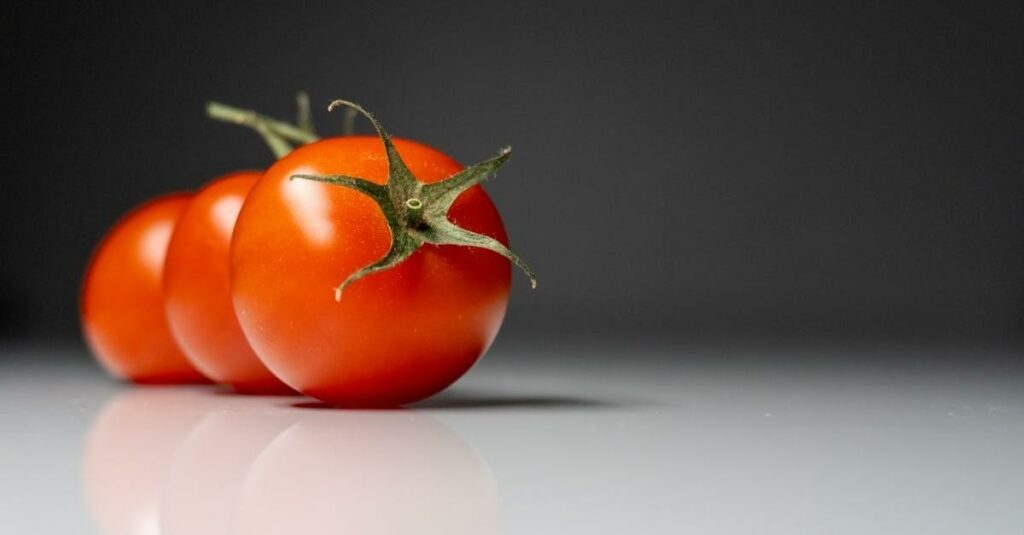
Are you ready to dig into the dirt and sprout a vegetable garden that would make even the most seasoned gardeners green with envy? Let’s face it: nothing beats the satisfaction of plucking fresh tomatoes, crunchy carrots, or vibrant peppers right from your backyard. We’re diving into some creative vegetable gardening ideas that will transform our simple patches of soil into flourishing food factories. Plus, let’s have some fun while we’re at it.
Choosing the Right Location
When it comes to vegetable gardening, location is everything. We should seek a spot that basks in full sunlight for at least six hours a day. Sunlight is like our plants’ breakfast, lunch, and dinner all rolled into one, fueling their growth and productivity. Next, let’s assess the soil. Is it well-drained? Our veggies don’t enjoy sitting in puddles, right? We can dig down a foot and feel the moisture to gauge drainage. Also, consider convenience. Picking a spot near a water source or close to our kitchen makes it much easier. After all, who wants to trek through a jungle just to reach some fresh basil?
Types of Vegetable Gardens
There are various styles of vegetable gardens, each catering to our unique needs and available space. Raised bed gardens are hugely popular. They allow for better soil control and drainage while keeping our garden at a manageable height. Container gardening is fantastic for those of us with limited space or poor soil. Think about it: tomatoes on our patio or peppers on a balcony? Yes, please. Vertical gardens are another exciting option. By gardening vertically, we can maximize space and create eye-catching displays. Finally, let’s not overlook traditional in-ground gardens. There’s something incredibly satisfying about planting straight into the earth’s embrace.
Essential Gardening Tools and Supplies
Let’s equip ourselves with the essentials for a successful veggie garden. We’ll need a good spade for digging and a hand trowel for planting. A sturdy rake helps prepare the soil by breaking up clumps and leveling the surface. Can’t forget gloves. Keeping our hands protected while digging and planting is a must. A watering can or garden hose? Definitely. Our plants thrive on hydration. Finally, garden markers are quite handy for labeling our seedlings. Let’s avoid the mystery of ‘what-the-heck-is-this-plant’ later in the season.
Planning Your Vegetable Garden Layout
Planning our garden layout can make or break the vegetable gardening experience. We want to arrange our plants based on their size and growth habit. For example, tall plants like sunflowers should go on the north side, so they don’t shade shorter veggies. Also, grouping plants with similar water and sunlight needs improves their chances of flourishing together. We should sketch it out. A simple diagram can lead to smooth gardening success. And let’s keep in mind that crop rotation is essential for maintaining soil health. Switching plant families prevents nutrient depletion and controls pests.
Companion Planting for Better Yields
Companion planting is a game-changer. For instance, did you know that planting marigolds alongside our vegetables can deter pests? These cheerful flowers are nature’s little bodyguards. Basil and tomatoes are another famous duo. The aromatic basil enhances the flavor of tomatoes while protecting them from harmful pests. Let’s get creative with combinations that benefit each other, attract beneficial insects, and maximize our yields. Julius Caesar might have
had his salad, but we can have ours right in our gardens, thanks to these harmonious pairings.
Maintaining Your Vegetable Garden
Maintenance is key to keeping our garden thriving. Regularly checking for weeds is essential: they compete for nutrients and water. We want to pull those invaders out before they settle in. Another vital task is monitoring for pests. Early detection can save our crops from significant damage. Fertilization is also important. We can use organic compost to enrich our soil and provide necessary nutrients, think of it as giving our plants a lovely spa day in a bag. And don’t skimp on watering during dry spells: we want to keep our green friends hydrated and healthy.
Seasonal Gardening Tips
Gardening is a year-round try, and with every season comes its own set of tasks and tips. In spring, it’s all about planting those seeds and getting the soil ready. Summer focuses on harvesting and maintaining optimum watering levels. As fall approaches, we can start preserving our harvest, think pickling or freezing. Let’s not forget winter, a time for reflection. We can plan for next year’s garden and research new varieties to add to our growing list. Each season brings joy and challenges, but with the right mindset, we can tackle them all together.