
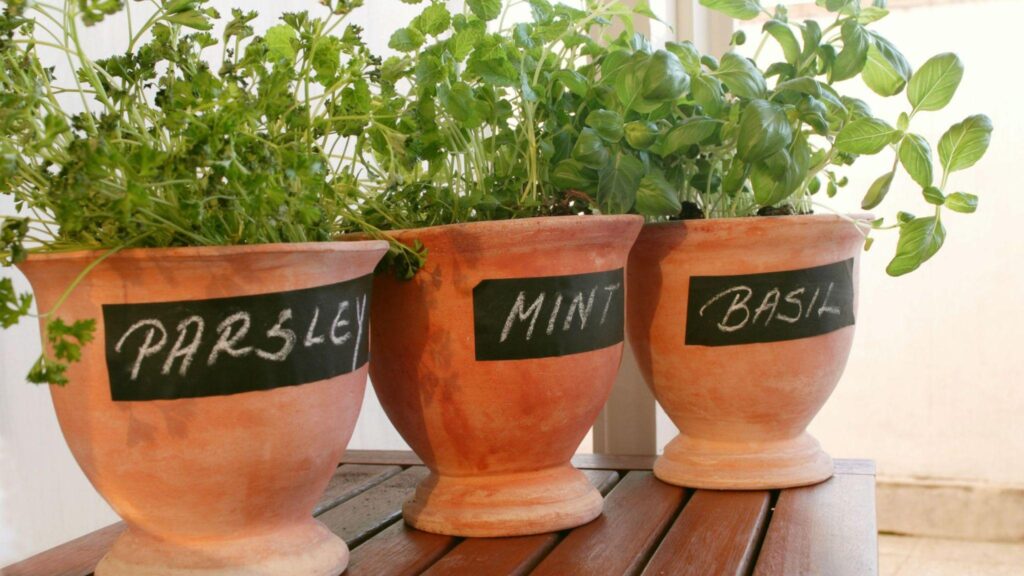
Few things transform a meal as quickly as a handful of fresh herbs. A sprinkle of chopped parsley brightens a heavy stew, torn basil makes a simple tomato salad sing, and a sprig of rosemary turns roasted potatoes into something special. Yet many home cooks still treat herbs as an afterthought, buying a bunch for one recipe and forgetting the rest in the fridge.
Growing and using herbs regularly is one of the easiest ways to make your cooking, and your drinks, more vibrant. Here is how to make the most of them.
Start a small herb garden
You do not need a backyard. A sunny windowsill or a small balcony can support a surprising number of herbs. Good beginner choices include:
Water when the soil feels dry and harvest often. Regular trimming actually encourages plants to grow fuller.
Soft herbs versus woody herbs
Understanding the difference helps you use herbs well. Soft herbs like basil, cilantro, parsley, mint, and dill have tender leaves and delicate flavors. They are best added at the end of cooking or used raw.
Woody herbs like rosemary, thyme, sage, and oregano have tougher stems and stronger flavors. They hold up well during long cooking and roasting, releasing aroma slowly.
Easy ways to cook with herbs
Herb butter: Mix softened butter with chopped herbs, garlic, and a pinch of salt. Roll into a log, chill, and slice over steak, fish, or warm bread.
Salsa verde: Blend parsley, mint, capers, garlic, lemon zest, and olive oil for a bright sauce that works on grilled vegetables and meats.
Herb-roasted vegetables: Toss root vegetables with olive oil, rosemary, and thyme before roasting.
Fresh herb salad: Combine whole leaves of parsley, mint, dill, and chives with lemon juice and olive oil for a lively side.
Herbs in the glass
Herbs are just as exciting in drinks as they are on the plate. Muddled mint is the base of countless classics, while basil pairs beautifully with strawberries and citrus. Rosemary adds a piney depth to grapefruit and lemon, and thyme brings an earthy note to apple and pear drinks.
Try making herb syrups: simmer equal parts sugar and water, remove from heat, add a handful of herbs, and steep for thirty minutes before straining. Store in the fridge for up to two weeks.
For adult gatherings, herb-forward recipes also pair well with cannabis drink mixers, whose flavors combine nicely with fresh basil, mint, and citrus to create aromatic, garden-inspired drinks that feel thoughtful and fun to serve. A rosemary-lemon spritz or a cucumber-mint cooler makes an easy starting point.
Keeping herbs fresh
To store cut soft herbs, trim the stems and place them in a glass of water like a bouquet, loosely covered with a bag. Basil prefers to stay at room temperature. Woody herbs keep well wrapped in a slightly damp paper towel in the fridge.
If you have more than you can use, chop herbs and freeze them in ice cube trays with olive oil or water. The cubes are perfect for adding to soups, sauces, or drinks later.
Bringing the garden indoors
Cooking with fresh herbs is a simple pleasure that connects you to the seasons and makes everyday meals feel more generous. Whether you are finishing a pasta, building a salad, or mixing a drink for friends, a few green leaves can make all the difference. Start with one or two pots, and you may soon find that your windowsill has become the most flavorful spot in the house.